
Red Light Therapy Mask for Collagen: How It Works and What to Expect
Can a red light therapy mask help support collagen? For many skincare users, the answer is yes — when the device uses the right wavelengths, fits the face properly, and is used consistently over time.
Red and near-infrared light are commonly used in at-home LED face masks to support healthier-looking skin. These wavelengths may help improve the appearance of firmness, fine lines, skin texture, and overall radiance without needles, peeling, or downtime.
In this guide, we’ll explain how red light therapy works for collagen support, which wavelengths matter, how often to use an LED face mask, and what results you can realistically expect from a home skincare routine.
What Is Collagen and Why Does It Matter for Skin?
Collagen is one of the key structural proteins in the skin. It helps maintain firmness, elasticity, and a smooth-looking appearance.
As we age, the skin’s natural collagen production gradually slows down. Sun exposure, stress, lack of sleep, pollution, and lifestyle habits can also affect the appearance of skin firmness and texture. This is why many people begin to notice fine lines, dullness, and a loss of bounce over time.
Skincare products can help hydrate and protect the skin barrier, but many users also look for non-invasive beauty devices that support their long-term skincare routine. This is where red light therapy masks have become popular.
How Does a Red Light Therapy Mask Support Collagen?
A red light therapy mask uses specific wavelengths of visible red light and near-infrared light. These wavelengths are selected because they can reach different layers of the skin and support cellular energy processes.
In simple terms, red light therapy may help skin cells function more efficiently. When used consistently, this may support the appearance of firmer, smoother, and healthier-looking skin.
For collagen-focused skincare, the most common wavelengths include:
- Red light around 630–660nm: often used for skin tone, fine lines, and visible rejuvenation.
- Near-infrared light around 810–850nm: often used for deeper skin support and overall skin vitality.
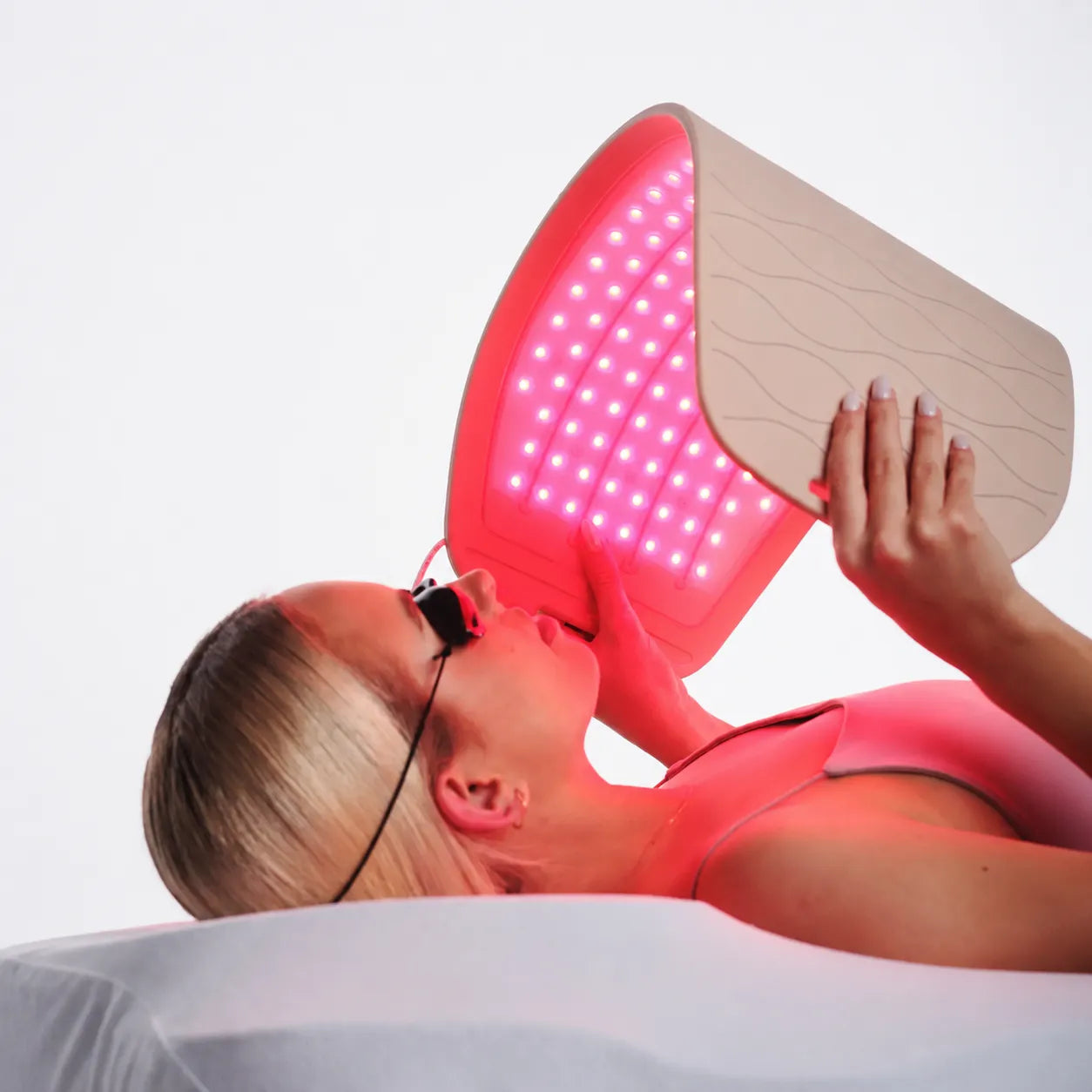
A well-designed LED face mask should deliver even light coverage across the face so that key areas such as the forehead, cheeks, jawline, and around the mouth receive consistent exposure.
Red Light vs. Near-Infrared Light: What Is the Difference?
Red light and near-infrared light are often used together in LED face masks, but they are not exactly the same.
Red light is visible to the eye and is commonly used for surface-level skin appearance concerns. It is often associated with smoother-looking texture, improved radiance, and reduced appearance of fine lines.
Near-infrared light is less visible or invisible to the eye and is commonly used to support deeper skin layers. In beauty devices, it is often included to complement red light and provide a more complete facial care routine.
For users focused on collagen support, a mask that combines red and near-infrared wavelengths may offer a more comprehensive skincare experience than a red-only device.
What Makes a Good LED Face Mask for Collagen Support?
Not all red light therapy masks are the same. When choosing an at-home LED face mask, users should look beyond the appearance of the product and pay attention to practical details.
A good collagen-focused LED face mask should include:
- Targeted red and near-infrared wavelengths
- Comfortable full-face fit
- Even light distribution
- Simple session timing
- Skin-safe materials
- Rechargeable or easy-to-use design
- Clear user instructions
- Eye safety guidance
The SOLO RED LIGHT LED Face Mask is designed for home skincare users who want a simple, non-invasive way to add red and near-infrared light therapy into their routine. Its full-face coverage and easy session settings make it suitable for consistent use at home.
How Often Should You Use a Red Light Therapy Mask?
For most at-home LED face masks, consistency is more important than using the device for a long time in one session.
A common routine is:
- Use the mask 3–5 times per week
- Use it for 10–20 minutes per session
- Continue consistently for 8–12 weeks
- Follow the product manual and safety instructions
Results are usually gradual. Red light therapy is not an instant wrinkle-removal treatment. Instead, it works best as part of a regular skincare routine, combined with cleansing, hydration, sun protection, and healthy lifestyle habits.
What Results Can You Expect?
With regular use, a red light therapy mask may help improve the visible appearance of:
- Fine lines
- Skin firmness
- Dullness
- Uneven-looking texture
- Tired-looking skin
- Loss of radiance
Some users may notice their skin looks more refreshed after several weeks. More visible changes in firmness and texture usually take longer and depend on age, skin condition, lifestyle, and how consistently the device is used.
It is important to set realistic expectations. A red light therapy mask is not the same as an in-clinic procedure, and it should not be presented as a medical treatment. Its value is in providing a gentle, repeatable, at-home beauty routine.
Is Red Light Therapy Safe for the Face?
Red light therapy masks are generally designed to be gentle for home use when used as directed. Unlike UV light, red and near-infrared light do not work by tanning or damaging the skin surface.
However, safety still matters. Users should always follow the instructions provided with the device.
Before use, consider these basic safety tips:
- Do not exceed the recommended session time.
- Use eye protection or follow the brand’s eye safety guidance.
- Do not use the device on broken or irritated skin.
- Consult a healthcare professional if you have a photosensitive condition.
- Consult a healthcare professional if you take medications that increase light sensitivity.
- Stop use if discomfort, unusual redness, or irritation occurs.
For sensitive skin users, it is also better to start slowly and observe how the skin responds.
How to Use a Red Light Therapy Mask in Your Skincare Routine
A red light therapy mask is easy to add to a daily or weekly skincare routine.
Here is a simple routine:
- Cleanse your face and remove makeup.
- Make sure the skin is dry before using the mask.
- Wear the mask and select the recommended mode.
- Relax during the session.
- After the session, apply a hydrating serum or moisturizer.
- Use sunscreen during the day.
Many users prefer to use their LED face mask in the evening because it fits naturally into a relaxing self-care routine. However, it can also be used during the day as long as the skin is protected with sunscreen afterward.
Red Light Therapy Mask vs. Traditional Anti-Aging Treatments
Traditional anti-aging treatments such as chemical peels, laser resurfacing, microneedling, and injectable treatments can provide visible results, but they may also involve discomfort, recovery time, professional appointments, or higher costs.
A red light therapy mask is different. It is designed for regular, non-invasive home use.
| Treatment Type | Invasive Level | Downtime | Best For |
|---|---|---|---|
| Red light therapy mask | Non-invasive | No downtime | Daily skin maintenance, firmness, glow |
| Chemical peel | Mild to moderate | Possible peeling | Texture and surface renewal |
| Laser resurfacing | Moderate to high | Several days or more | Intensive skin resurfacing |
| Injectables | Minimally invasive | Possible swelling or bruising | Volume or expression lines |
For users who want a gentle, convenient, and repeatable routine, an LED face mask can be a practical option.
Why Choose SOLO RED LIGHT LED Face Mask?
The SOLO RED LIGHT LED Face Mask is designed for users who want to bring light-based skincare into their home routine. It combines red and near-infrared light with a comfortable facial design, making it easy to use several times per week.
Key advantages include:
- Red and near-infrared light for collagen-focused skincare routines
- Full-face coverage for consistent exposure
- Comfortable design for home use
- Simple operation for beginners
- Non-invasive beauty care without needles or peeling
- Suitable for regular skincare maintenance
For anyone looking to support firmer-looking, smoother-looking skin over time, the SOLO RED LIGHT LED Face Mask offers a convenient way to add light therapy to a modern beauty routine.
Final Thoughts
A red light therapy mask can be a useful addition to a collagen-focused skincare routine. By using red and near-infrared wavelengths, it may help support the appearance of firmer, smoother, and more radiant skin when used consistently.
The key is to choose a well-designed LED face mask, follow the recommended usage instructions, and stay realistic about results. Red light therapy is not a quick fix, but it can be a gentle and convenient long-term skincare tool for users who want non-invasive at-home beauty care.
FAQ
Do red light therapy masks really help with collagen?
Red light therapy masks may help support the appearance of firmer and smoother-looking skin by using wavelengths commonly associated with collagen-focused skincare routines. Results vary by user and depend on consistency, device quality, and skin condition.
How long does it take to see results from a red light therapy mask?
Some users may notice a healthier-looking glow within a few weeks. More visible improvements in firmness, texture, and fine lines usually require consistent use for 8–12 weeks or longer.
How often should I use a red light therapy mask?
Most users follow a routine of 3–5 times per week for 10–20 minutes per session. Always follow the instructions provided with your specific device.
Can I use serum before a red light therapy mask?
It is usually best to use the mask on clean, dry skin. After the session, you can apply a hydrating serum, moisturizer, or other skincare products.
Is red light therapy safe for sensitive skin?
Red light therapy is generally considered gentle when used as directed. Sensitive skin users should start slowly and stop use if irritation or discomfort occurs.
Can I use a red light therapy mask every day?
Some devices may allow daily use, but it depends on the product design and recommended session time. Always follow the product manual instead of overusing the device.