


Red Light Therapy Belt vs Panel: Which Is Better for Home Use?
Red Light Therapy Belt vs Panel: Which Is Better for Home Use?
If you’re considering red light therapy for home use, one of the most common questions is whether to choose a wearable belt or a fixed panel.
Both devices use similar light therapy principles, but they are designed for very different use cases. Choosing the right one depends on how you plan to use it, your lifestyle, and your treatment goals.
This guide breaks down the real differences between red light therapy belts and panels, helping you make a clear and practical decision.

What Is a Red Light Therapy Belt?
A red light therapy belt is a flexible, wearable device designed to wrap around specific areas of the body such as the waist, back, legs, or shoulders.
It typically uses red and near-infrared wavelengths (commonly around 630nm–850nm) and is designed for targeted, hands-free use.
Key characteristics:
- Wearable and flexible
- Designed for localized treatment
- Allows movement during use
- Suitable for home and travel
This type of device is often chosen by users who want convenience and consistent application on specific areas.
What Is a Red Light Therapy Panel?
A red light therapy panel is a rigid device that emits light over a larger area. It is typically mounted on a wall, placed on a stand, or used in a fixed position.
Panels are designed for high-output, broad coverage and are commonly used for full-body or multi-area exposure.
Key characteristics:
- High power output
- Covers larger surface areas
- Fixed usage position
- Common in clinics or dedicated home setups
Panels are often selected by users who prioritize intensity and wide coverage.
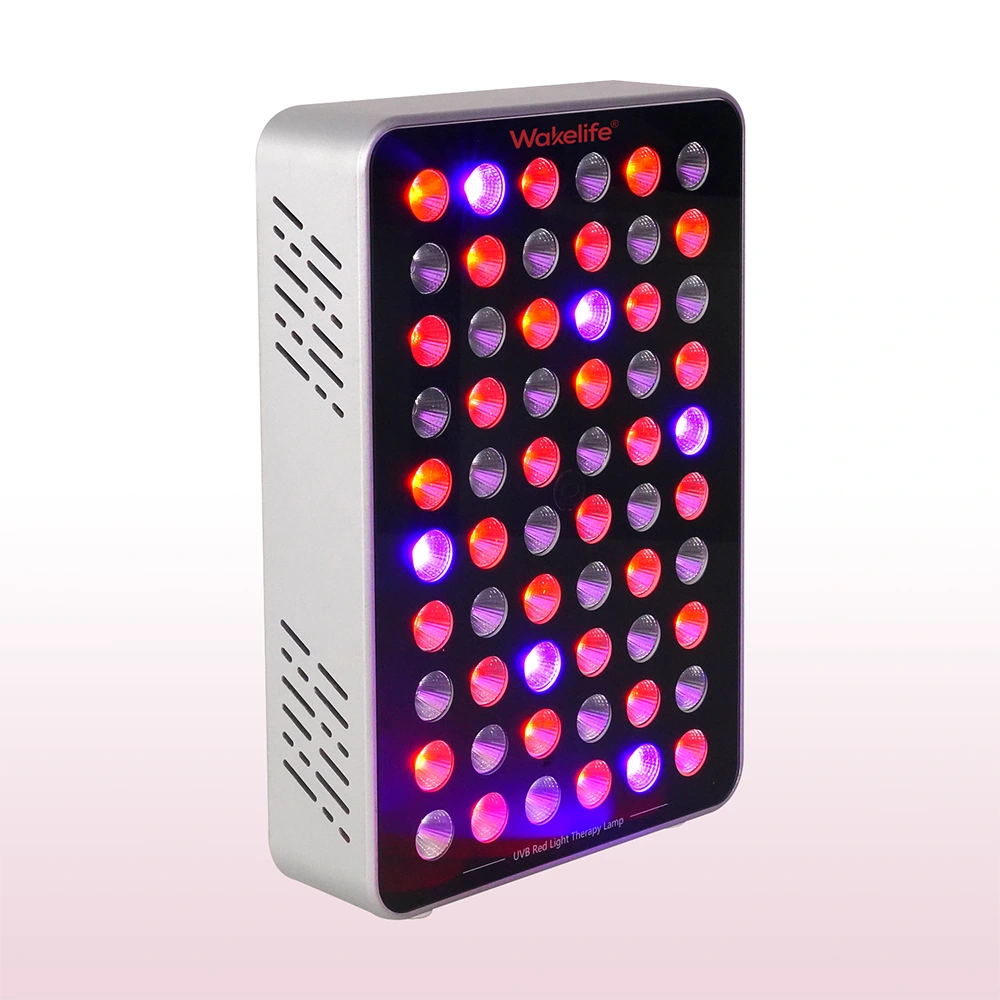
Key Differences Between Belt and Panel
Understanding the differences comes down to how each device fits into real-life use.
Coverage area:
Panels cover a larger area in a single session, while belts are designed for focused, localized treatment.
Flexibility and comfort:
Belts are wearable and move with your body. Panels require you to stay in one position during treatment.
Power output:
Panels generally deliver higher irradiance levels, while belts prioritize comfort and consistency.
Convenience:
Belts can be used while sitting, working, or relaxing. Panels require dedicated time and space.
Portability:
Belts are lightweight and travel-friendly. Panels are bulkier and less portable.
Belt vs Panel: Pros and Cons
Pros:
- Hands-free and wearable
- Flexible for different body parts
- Easy to integrate into daily routine
- Travel-friendly
Cons:
- Lower overall power compared to panels
- Smaller treatment area per session
Pros:
- Higher intensity output
- Covers larger areas quickly
- Suitable for full-body routines
Cons:
- Requires fixed positioning
- Less convenient for multitasking
- Takes up more space
Which One Is Better for Different Use Cases?
Choosing between a belt and a panel depends on your primary goal.
For targeted areas (back, waist, joints):
A red light therapy belt is often more practical because it stays in place and delivers consistent exposure.
For full-body or large-area coverage:
A panel may be more efficient due to its higher output and wider coverage.
For convenience and daily use:
A belt is easier to integrate into daily routines since it allows movement.
For maximum intensity in shorter sessions:
A panel may be preferred.
What to Consider Before Choosing
Before making a decision, consider how you will actually use the device.
Frequency of use:
If you plan to use it regularly, convenience becomes more important.
Treatment area:
Small, specific areas benefit from wearable designs, while larger areas may require panel coverage.
Lifestyle:
If you prefer multitasking during treatment, a belt is more suitable.
Space and setup:
Panels require a dedicated space, while belts do not.
Do You Need Both?
Some users combine both devices for different purposes.
A panel may be used for general exposure, while a belt is used for targeted areas that require more consistent positioning.
However, for most users, starting with one device based on your primary need is sufficient.
Final Thoughts
Both red light therapy belts and panels use similar underlying technology, but they serve different roles.
A belt is designed for flexibility, convenience, and targeted use. A panel is designed for intensity and broader coverage.
If your priority is ease of use and consistent daily application, a red light therapy belt is often the more practical choice.
If your goal is high-output, full-area exposure in a dedicated setup, a panel may be the better option.
Understanding how each device fits into your routine is the key to making the right decision.
Share


