
Hands-free LED therapy masks have quickly become one of the most searched at-home skincare tools for anti-aging. Promoted as a non-invasive way to support collagen production, smooth fine lines, and improve overall skin appearance, these wearable devices are now widely used in daily skincare routines.
But does LED light therapy really work for anti-aging—and why are hands-free LED masks becoming the preferred choice?
This guide explains the science, benefits, limitations, and best practices behind hands-free LED therapy masks so you can make an informed decision.
What Is a Hands-Free LED Therapy Mask?
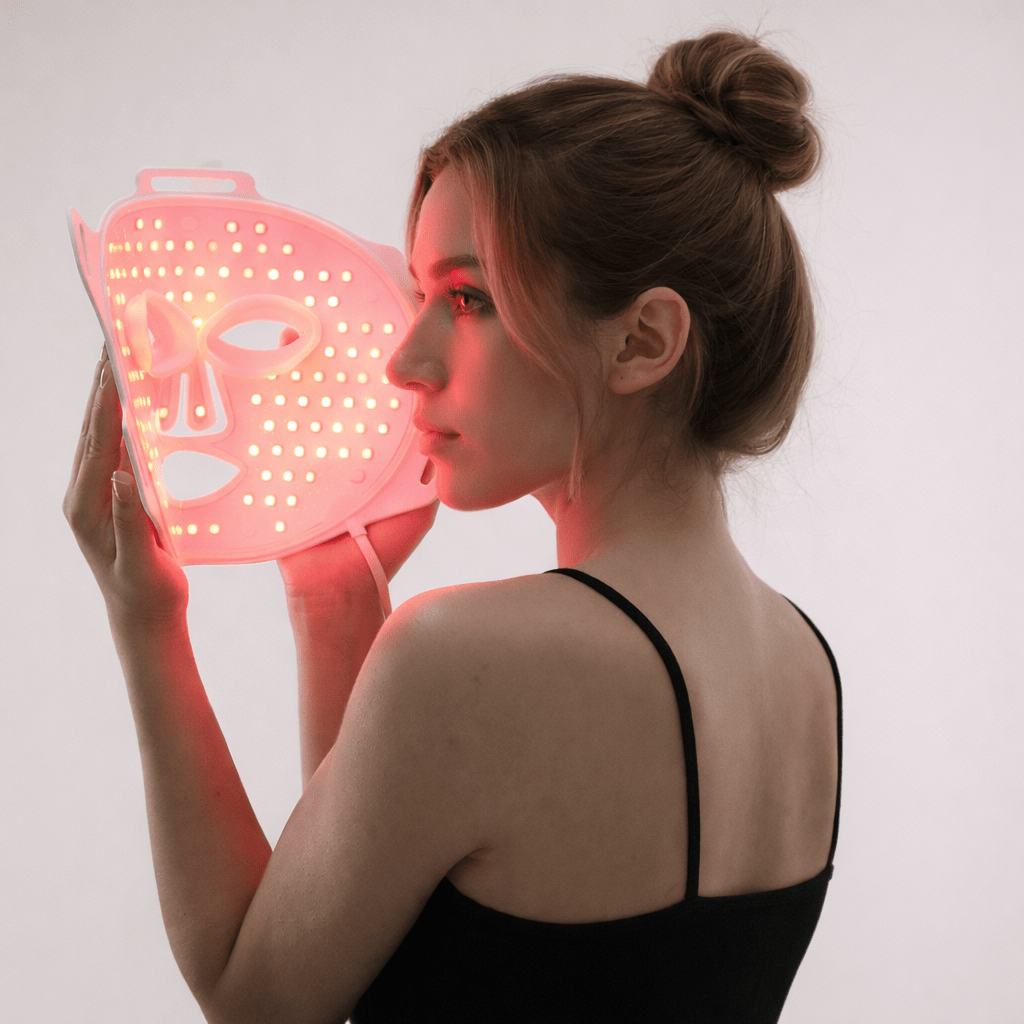
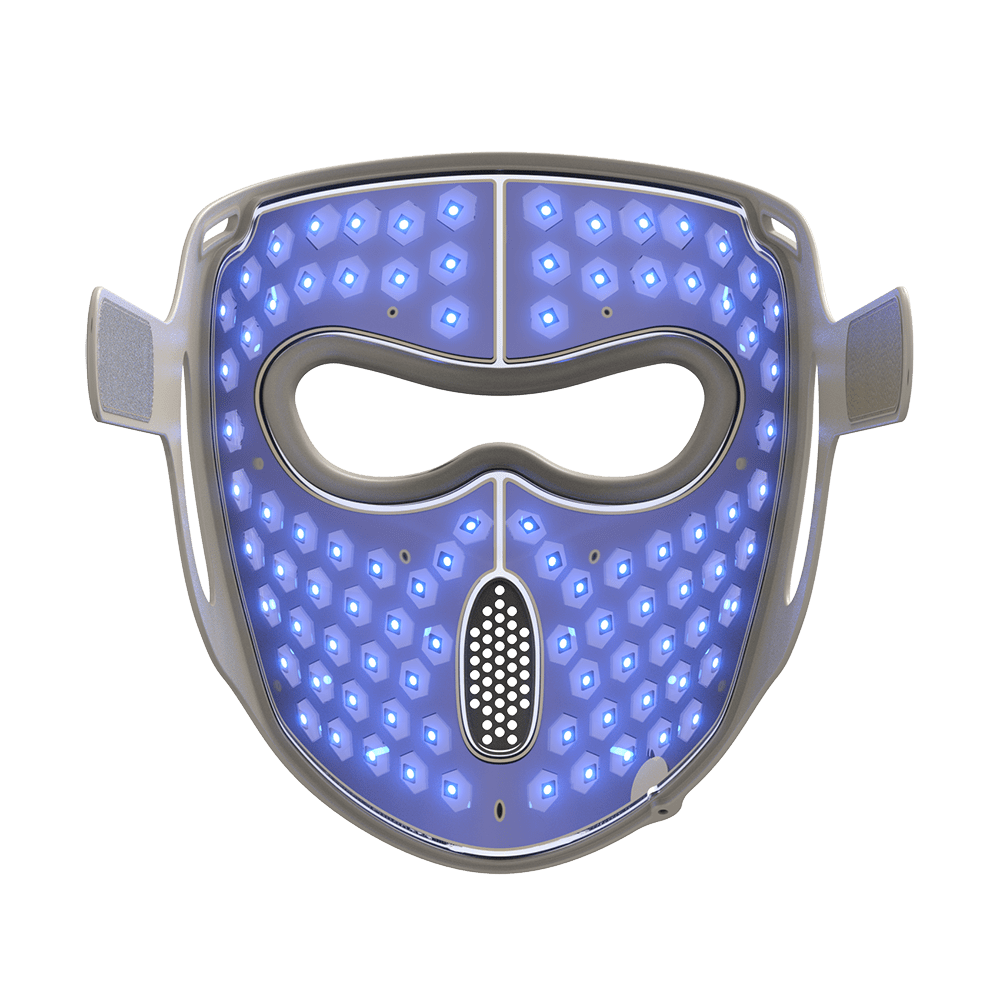
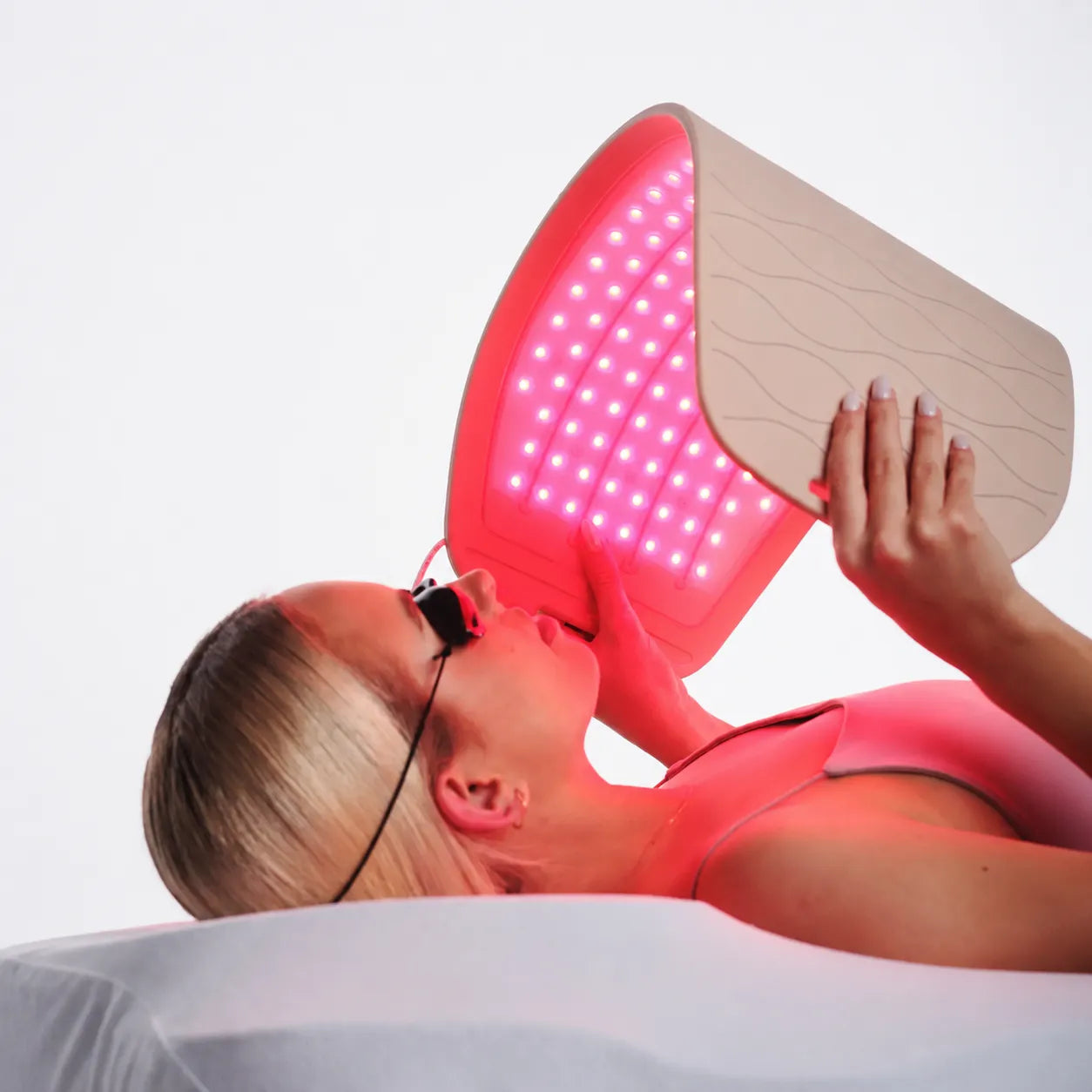
A hands-free LED therapy mask is a wearable skincare device designed to emit specific wavelengths of light—most commonly red light—across the entire face. Unlike handheld LED tools, hands-free masks sit securely on the face, allowing for even light exposure without requiring manual operation.
These masks are commonly used to:
-
Support anti-aging skincare routines
-
Improve the appearance of fine lines and wrinkles
-
Enhance skin tone and texture
-
Promote a more refreshed, radiant look
Because the mask is wearable, users can relax or multitask during treatment sessions, making it easier to maintain consistent use.

Does LED Light Therapy Really Work for Anti-Aging?
Short answer: Yes—when used consistently, LED light therapy masks may help improve the appearance of aging skin.
Red light therapy has been widely studied in dermatology and aesthetic skincare. Research suggests that specific wavelengths of red light can interact with skin cells involved in natural repair processes. While results vary by individual, many users report gradual improvements in skin texture, firmness, and brightness over time.
It’s important to note that LED therapy is not a quick fix. Visible changes typically develop with regular use over several weeks.
How Red Light Therapy Supports Skin Rejuvenation
Best Wavelengths for Anti-Aging
Most LED therapy masks designed for skincare operate within the 630–660 nanometer red light wavelength range. This range is commonly used in aesthetic applications due to its ability to penetrate the skin’s surface without causing damage.
Collagen Support and Cellular Activity (Simplified)
When red light reaches the skin, it may help:
-
Support collagen and elastin-related processes
-
Improve circulation and oxygen delivery
-
Reduce the appearance of fine lines
-
Promote a more even-looking complexion
Unlike chemical peels or invasive treatments, LED light therapy is gentle and does not disrupt the skin barrier.
Key Benefits of Hands-Free LED Therapy Masks
Full-Face Coverage and Even Light Distribution
Hands-free LED masks are designed to contour to the face, delivering consistent light exposure across areas that handheld devices may miss, such as the jawline and sides of the face.
Convenience That Encourages Consistency
Because the mask requires no manual holding, users are more likely to complete full sessions regularly—an essential factor for seeing results.
Non-Invasive and Suitable for Home Use
LED therapy masks are designed for at-home use and do not involve needles, chemicals, or recovery time.
Time-Efficient Skincare Solution
Most sessions last 10–20 minutes, making LED therapy easy to integrate into daily or weekly routines.
Pros and Cons of Using an LED Light Therapy Mask at Home
Pros
-
Non-invasive and pain-free
-
No downtime or recovery period
-
Easy to use at home
-
Suitable for most skin types
-
Supports long-term skincare routines
Cons
-
Results require consistent, long-term use
-
Not a replacement for medical or surgical treatments
-
Effectiveness depends on wavelength, coverage, and device quality

Hands-Free LED Mask vs Handheld LED Devices
| Feature | Handheld LED Devices | Hands-Free LED Therapy Mask |
|---|---|---|
| Ease of use | Requires holding | Fully wearable |
| Coverage | Localized | Full-face exposure |
| Consistency | User-dependent | Repeatable sessions |
| Convenience | Limited | High |
Hands-free designs generally provide a more consistent experience, which may contribute to better long-term results.
How to Choose the Right LED Therapy Mask
When selecting an LED therapy mask for home use, consider the following factors:
Wavelength
Look for red light wavelengths in the 630–660 nm range, which are commonly used for skin rejuvenation.
Coverage
A well-designed mask should offer full-face coverage for even light distribution.
Ease of Use
Hands-free, lightweight designs are easier to incorporate into regular routines.
Safety Features
Built-in timers and non-thermal operation help ensure safe sessions.
Who Should Use — and Who Should Avoid — LED Therapy Masks
Hands-free LED therapy masks may be suitable for adults who:
-
Want a non-invasive anti-aging skincare option
-
Prefer at-home treatments
-
Value convenience and routine-based skincare
However, individuals with light sensitivity, certain skin conditions, or those using photosensitizing medications should consult a skincare professional before use.
LED therapy masks are not intended to diagnose, treat, or cure medical conditions.
How Often Should You Use an LED Light Therapy Mask?
Most skincare routines recommend using an LED therapy mask 3–5 times per week. Results are typically gradual, with visible changes appearing after several weeks of consistent use.
Always follow the manufacturer’s usage guidelines.
Frequently Asked Questions
Is a hands-free LED therapy mask effective for anti-aging?
When used consistently, many users experience improvements in skin texture, tone, and overall appearance.
What wavelength is best for red light therapy masks?
Red light in the 630–660 nm range is commonly used for skin rejuvenation.
Are LED face masks safe for daily use?
Most LED masks are designed for non-thermal, at-home use. Always follow product instructions.
Can LED therapy replace professional treatments?
LED masks are best used as a complementary, maintenance-focused skincare solution.
Key Takeaways
-
Hands-free LED therapy masks provide even, full-face red light exposure
-
Red light therapy supports collagen-related skin processes
-
Wearable designs improve consistency and ease of use
-
Results depend on regular, long-term application