Sleep affects nearly every part of daily life, from mood and energy to recovery and focus. Yet many people still struggle to unwind at night, fall asleep easily, or stay asleep long enough to feel fully rested the next morning.
As interest in non-invasive wellness tools continues to grow, more consumers are exploring whether a full body red light therapy mat can support better sleep. While it is not a replacement for medical care or a guaranteed solution for insomnia, many people use red and near-infrared light as part of a calming bedtime routine to help the body relax and prepare for rest.
In this guide, we’ll look at how a red light therapy mat works, how it may support sleep quality, who may benefit most, how to use it before bed, and what to look for when choosing the best option.
What Is a Full Body Red Light Therapy Mat?
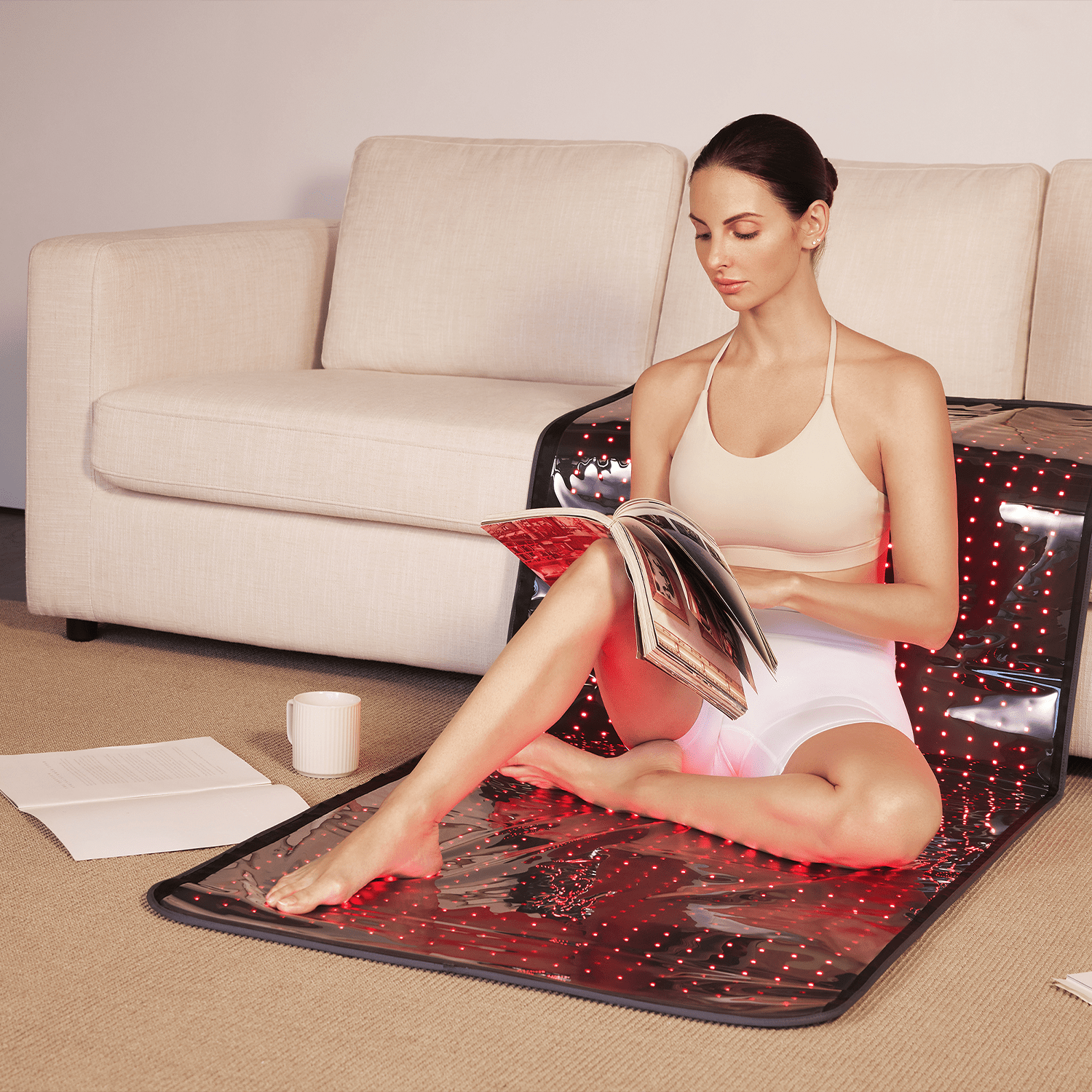
A full body red light therapy mat is a wellness device designed to deliver red and near-infrared light across a larger treatment area than smaller handheld tools or targeted panels. Instead of focusing on one part of the body, the mat is designed for broader coverage, making it suitable for people who want a more immersive and convenient at-home routine.
Many users are drawn to this type of device because it fits naturally into an evening schedule. You can lie down comfortably, use the mat for a set amount of time, and pair the session with other calming habits such as reading, breathing exercises, or quiet rest.
For sleep-focused users, the appeal is simple: it offers a structured, drug-free way to create a more relaxing transition from daytime activity to bedtime.

Can a Red Light Therapy Mat Improve Sleep Quality?
A red light therapy mat may help support better sleep quality by encouraging relaxation before bed and helping users establish a more consistent evening routine. It is not a cure for sleep disorders, but it may be a useful tool for people who want to create a calmer pre-sleep environment without relying entirely on sleep medications or more disruptive bedtime habits.
Some people use a red light therapy mat for sleep because they want support in areas such as:
- winding down more easily at night
- reducing physical tension before bed
- creating a more restful evening routine
- supporting overall comfort and recovery
- waking up feeling more refreshed
For many users, the value lies not only in the light itself, but also in the consistency of the ritual. A predictable, relaxing evening routine can make it easier to shift into sleep mode night after night.
How Does a Full Body Red Light Therapy Mat Work?
A full body red light therapy mat uses LED technology to emit specific wavelengths of red and near-infrared light. In your original draft, the most important wavelength combination highlighted for sleep and recovery was 630nm and 850nm, along with features like full-body coverage, adjustable settings, and timer functions.
These wavelengths are commonly associated with wellness and recovery applications. In the context of sleep, the mat is often used before bedtime as part of a routine intended to help the body feel more relaxed and prepared for rest.
Rather than acting like a sedative, a red light therapy mat is typically used as a passive, non-invasive support tool. The goal is not to force sleep, but to help create conditions that feel calmer, more comfortable, and more consistent from one night to the next.
Why People Use a Red Light Therapy Mat Before Bed
Many people do not just struggle with sleep itself. They struggle with the period before sleep. The body may still feel tense, the mind may still feel active, and the transition from work, screens, or exercise into rest may feel abrupt.
That is where a full body red light therapy mat may fit in well. Instead of adding another stimulating habit at night, it can become part of a quieter bedtime ritual. Lying on the mat for a short session may help users pause, slow down, and create a more intentional end to the day.
For users who want a non-invasive and drug-free bedtime wellness tool, this can be especially appealing.
Potential Benefits of a Full Body Red Light Therapy Mat for Sleep
1. Supports a More Relaxing Bedtime Routine
A red light therapy mat can help turn bedtime into a structured routine rather than an unplanned crash at the end of the day. This matters because sleep quality often improves when bedtime habits are more consistent.
2. May Help the Body Wind Down Before Sleep
Many users use the mat before bed because the session itself encourages stillness and rest. Even a short session can create a dedicated space for the body to transition away from activity and toward relaxation.
3. Full-Body Coverage Adds Convenience
Unlike smaller devices that require repeated repositioning, a full body mat is designed for broader treatment coverage. That makes it easier for users who want a simpler, more seamless nightly routine.
4. Can Support Evening Comfort and Recovery
Some people are not kept awake only by stress or racing thoughts. Physical discomfort, post-workout soreness, or general tension can also affect the ability to settle down at night. A full body mat may appeal to users who want support for both recovery and bedtime comfort.
5. Non-Invasive and Easy to Use at Home
One of the biggest benefits of a red light therapy mat for whole body use is ease of use. There are no complicated steps, no harsh procedures, and no recovery time. Many users simply lie down, set a timer, and let the session become part of their normal evening flow.
6. Fits into a Consistent Sleep Hygiene Plan
The original draft repeatedly positioned the mat as part of a broader sleep routine rather than a stand-alone miracle solution. That is the right direction for SEO and for user trust. Used alongside habits like a regular sleep schedule, less screen exposure, and a calming environment, the mat may become a practical part of a long-term sleep hygiene plan.

Who May Benefit Most from a Red Light Therapy Mat?
A full body red light therapy mat may be worth considering for people who:
- want a more relaxing pre-sleep routine
- prefer drug-free wellness tools
- deal with nighttime tension or general physical discomfort
- want one device with broader body coverage
- are looking for a sleep-support routine that also fits recovery goals
- value convenience and consistency in home wellness devices
It may also appeal to athletes, busy professionals, or anyone who feels overstimulated at night and wants a calmer routine before bed. Your original draft also positioned the mat toward people with frequent awakenings, insomnia-related concerns, athletes seeking recovery, and users wanting relief from everyday aches.
How to Use a Full Body Red Light Therapy Mat for Sleep
In your draft, the recommended usage pattern was to use the mat for 10 to 30 minutes before bedtime, ideally while pairing it with calming activities and a consistent nighttime schedule.
A practical routine may look like this:
Step 1: Use the Mat Before Bed
Try using the mat in the evening rather than earlier in the day if your goal is sleep support. This helps connect the session with rest and winding down.
Step 2: Keep the Session Simple
Many users prefer a session of around 10 to 30 minutes. Longer is not always better. Consistency usually matters more than intensity.
Step 3: Pair It with Other Calming Habits
You may get more value from the mat when it is part of a broader routine. Reading, light stretching, meditation, or dimmer room lighting can make the whole pre-sleep period feel more intentional.
Step 4: Maintain a Consistent Schedule
Sleep-related tools usually work best when used regularly. A red light therapy mat may be more effective as part of a repeatable nightly pattern than as an occasional last-minute fix.
Step 5: Track How You Feel Over Time
Instead of expecting instant changes, pay attention to patterns over a few weeks. Some users notice they feel calmer before bed, fall asleep more smoothly, or wake feeling better recovered.
What to Look for in the Best Full Body Red Light Therapy Mat
If you are comparing options, your original draft already points to the most practical buying criteria: 630nm and 850nm wavelengths, full-body coverage, adjustable intensity, timer settings, soft skin-friendly materials, and portability.
Here is how to think about those features:
Wavelengths
A mat that includes both red and near-infrared wavelengths is often preferred by users who want broader wellness support. In your draft, 630nm and 850nm were highlighted as the key combination.
Coverage
If your main goal is full-body use, size matters. A larger mat can make the experience more convenient and more comfortable.
Timer and Intensity Settings
Adjustable settings can make the device easier to personalize. Timers are especially useful for bedtime use because they keep the routine simple and low effort.
Material and Comfort
Since the mat is meant to be used while lying down, the material should feel soft, skin-friendly, and comfortable enough for regular sessions.
Portability and Ease of Setup
A lightweight mat can be easier to move between spaces and more realistic to use consistently.
Red Light Therapy Mat vs Other Sleep Aids
Many consumers comparing sleep solutions are not deciding between one mat and nothing. They are deciding between a mat and other bedtime tools or habits.
Here is a simple comparison:
| Option | Main Goal | Convenience | Possible Drawbacks |
|---|---|---|---|
| Full Body Red Light Therapy Mat | Relaxation, comfort, bedtime routine support | High | Requires consistency and realistic expectations |
| Sleep Medications | Faster sleep support | Medium | May not suit users seeking a non-drug option |
| White Noise Machines | Background sound support | High | Addresses sound environment, not physical relaxation |
| Heating Pads | Localized warmth and comfort | Medium | Smaller treatment area |
| General Sleep Hygiene Changes | Long-term sleep support | Medium | Can take time and discipline to maintain |
A red light therapy mat may be especially appealing to users who want an option that feels more physical and immersive than sound-based sleep tools, but less invasive than medical or pharmaceutical approaches.

What Results Can You Realistically Expect?
It is better to think of a red light therapy mat as a support tool rather than an instant solution. The most realistic expectation is gradual improvement in how your bedtime routine feels and how prepared your body feels for rest.
Some users may notice:
- a calmer transition into bed
- less nighttime tension
- better comfort before sleep
- a more consistent evening routine
- a more refreshed feeling in the morning
Your original draft made stronger claims around falling asleep faster, waking up more refreshed, and noticing benefits within the first week, but for publishable SEO content, it is stronger to keep expectations realistic and non-absolute.
Is a Full Body Red Light Therapy Mat Safe for Nightly Use?
Your original article positioned the mat as safe, gentle, skin-friendly, and suitable for regular use, especially when used as directed and paired with proper settings.
For a publishable SEO page, the safer wording is this: many users view red light therapy mats as a low-downtime, non-invasive wellness device, but it is still important to follow the product instructions and use the device appropriately. Users with specific medical concerns, unusual skin sensitivity, or ongoing sleep issues should consider seeking professional guidance.
Frequently Asked Questions
Can a red light therapy mat really help with sleep?
It may help support better sleep by making the bedtime routine more calming, comfortable, and consistent. Many users value it as part of a broader sleep hygiene routine.
When should I use a red light therapy mat for sleep?
Many people prefer to use it shortly before bed. In your original draft, the recommended timing was 10 to 30 minutes before bedtime.
How long should I lie on a red light therapy mat?
A short session is usually enough for most routines. Many users start with around 10 to 20 minutes and adjust based on device instructions and personal comfort.
What wavelengths should I look for?
Your original draft specifically recommended 630nm and 850nm when shopping for a sleep- and recovery-focused mat.
Is a full body mat better than a smaller red light device?
It depends on your goal. A full body mat offers broader coverage and often a more immersive experience, which may be more convenient for users who want a whole-body evening routine.
Can I use a red light therapy mat every night?
Many users do include it in a nightly routine, but usage should follow the device instructions. A regular schedule often matters more than long sessions.
Is a red light therapy mat only for sleep?
No. Many people are also interested in full body mats for general recovery, relaxation, and overall comfort, which is one reason these devices appeal to a broad audience.
Is a red light therapy mat worth it?
For users who value non-invasive wellness tools, consistent bedtime routines, and whole-body convenience, it may be a worthwhile investment. The key is to expect support and routine value, not a miracle overnight result.
Final Thoughts
A full body red light therapy mat may be a useful addition to a bedtime routine for people who want a gentler, more consistent, and more relaxing way to prepare for sleep. It is not a guaranteed answer for every sleep issue, but it can fit well into a broader evening wellness plan built around calm, comfort, and routine.
If your goal is to create a more intentional transition into sleep, a red light therapy mat may offer a practical mix of full-body coverage, at-home convenience, and non-invasive support. For many users, that combination is exactly what makes it worth exploring.