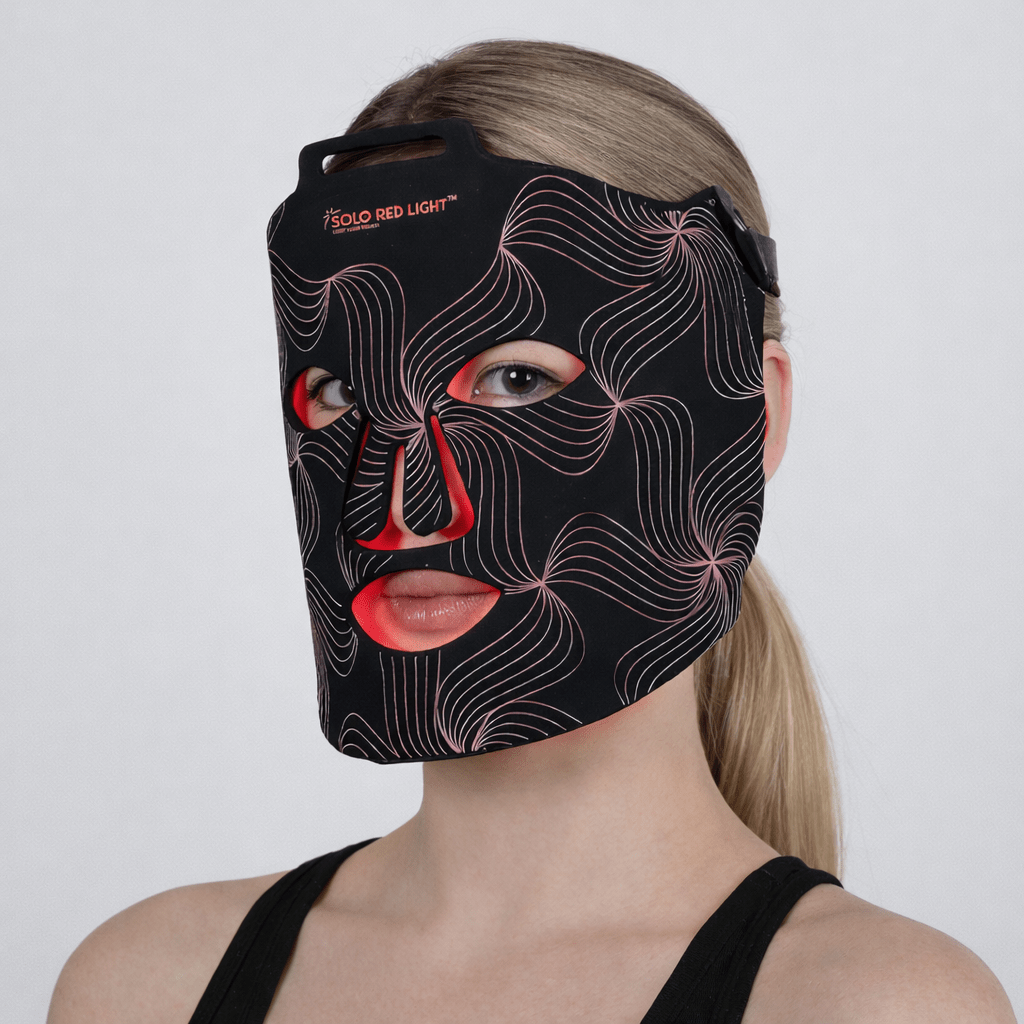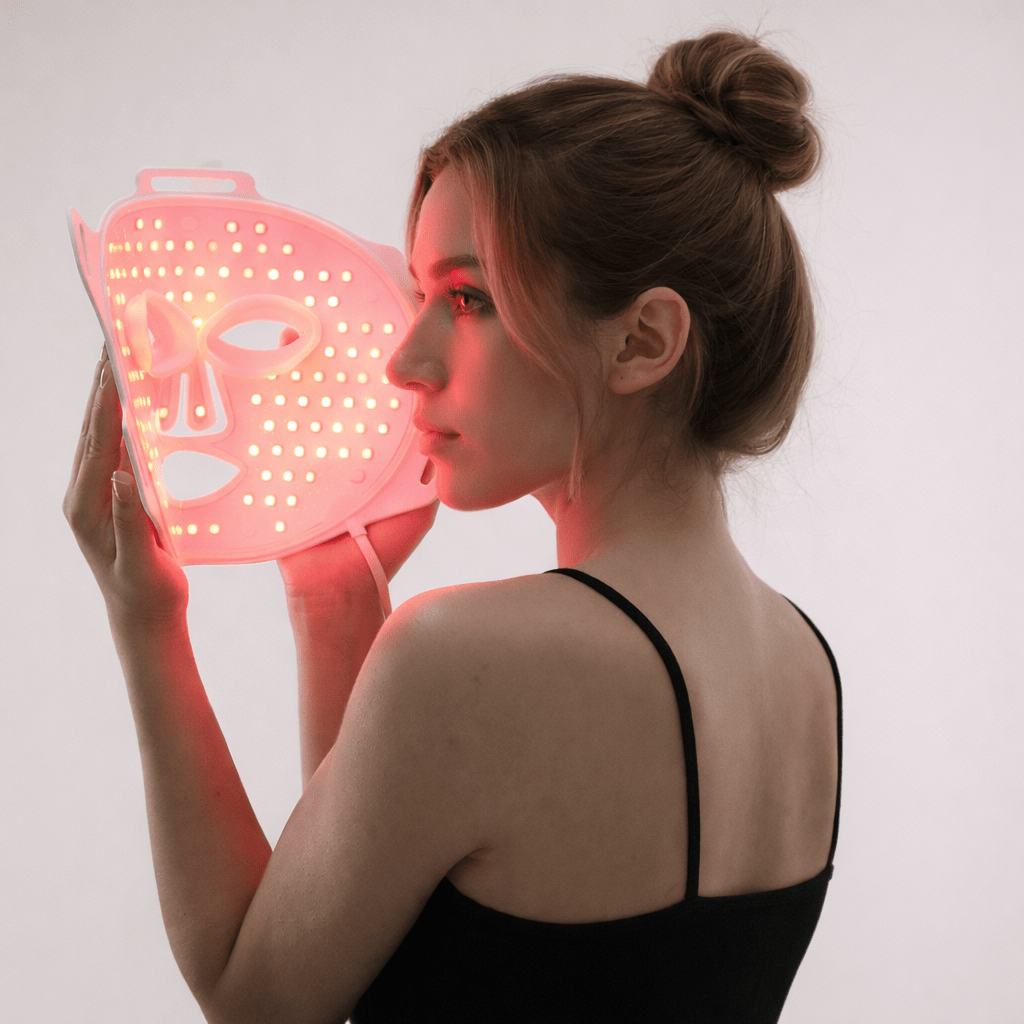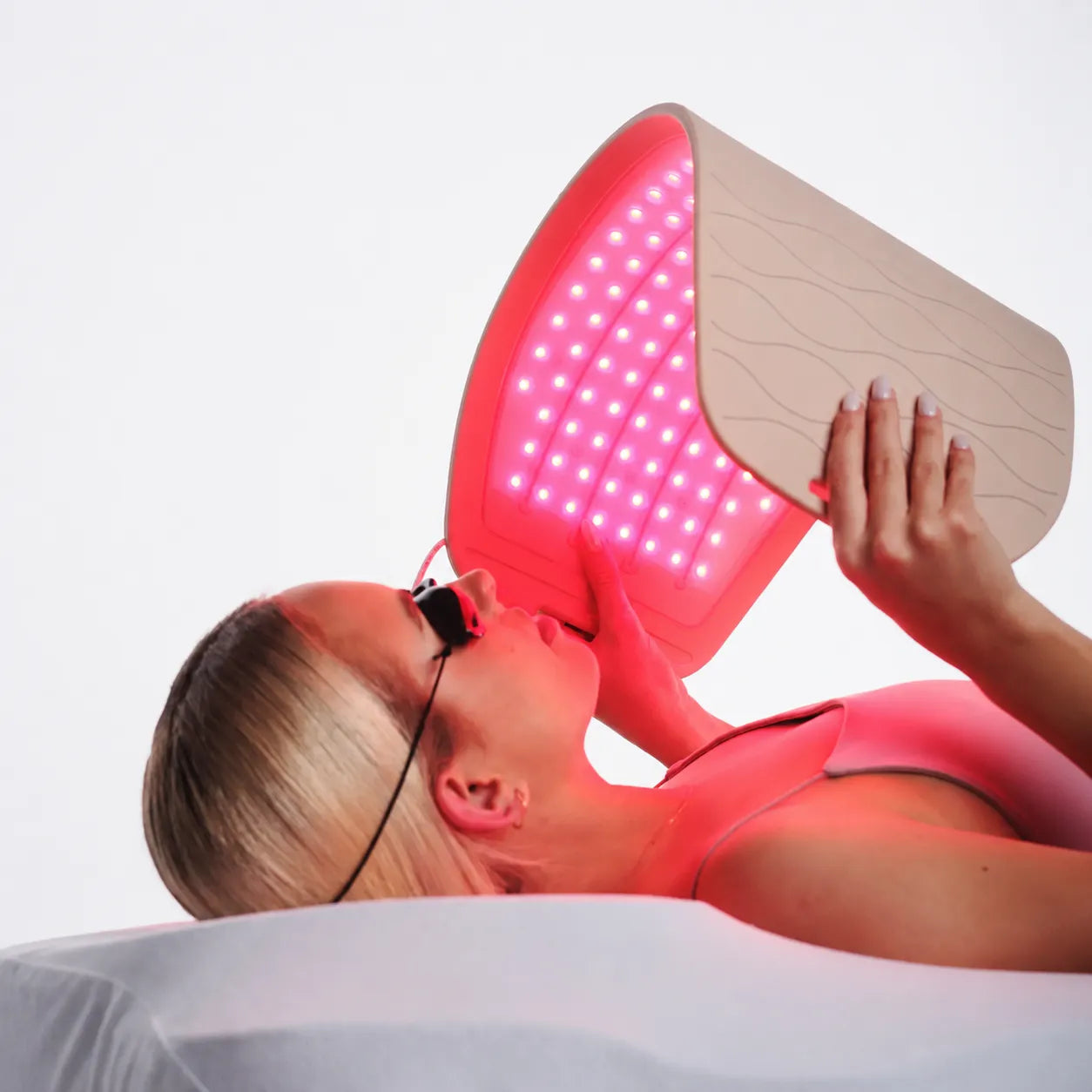

Acne is one of the most common skin conditions in the world — yet also one of the most frustrating to treat. While traditional solutions like topical creams, antibiotics, and retinoids remain widely used, many people are now exploring non-invasive technologies such as red light therapy.
But does red light therapy actually help acne?
Recent clinical research suggests that red light therapy may reduce inflammation, support skin healing, and improve overall skin clarity when used consistently. In this article, we’ll break down how it works, who it helps, and what results you can realistically expect.

What Causes Acne at a Biological Level?
Acne develops when pores become clogged with oil (sebum), dead skin cells, and bacteria.
Key contributing factors include:
-
Excess oil production
-
Inflammation
-
C. acnes bacterial activity
-
Hormonal fluctuations
-
Impaired skin healing
Most traditional treatments target only one of these pathways. For example:
| Treatment | Targets |
|---|---|
| Retinoids | Cell turnover |
| Antibiotics | Bacteria |
| Benzoyl Peroxide | Bacteria |
| Hormonal therapy | Sebum |
Red light therapy is unique because it supports the skin's natural repair mechanisms rather than attacking bacteria directly.
How Red Light Therapy Works for Acne
Red light therapy (also known as Low-Level Light Therapy or LLLT) uses specific wavelengths of visible red light to stimulate biological processes within the skin.
For acne, its benefits are primarily linked to three mechanisms:
1. Reduces Inflammation
Inflammation is the root cause of redness and swelling in acne lesions.
Red light helps calm inflammatory responses, making breakouts less severe.
2. Supports Skin Repair
Red light stimulates mitochondrial activity, increasing ATP production — the energy source for cellular repair.
This helps:
-
Accelerate recovery of damaged skin
-
Improve post-acne healing
3. May Help Regulate Oil Activity
Some studies indicate red light may influence sebaceous gland behavior, potentially reducing excess oil production over time.

What Wavelength Is Best for Acne?
Research shows the most effective red light wavelengths for acne support include:
-
630nm – targets inflammation
-
660nm – supports skin regeneration
-
830nm (near-infrared) – promotes deeper healing
These wavelengths work without damaging skin or causing dryness — unlike many topical treatments.
Red Light vs Blue Light for Acne
Both are used in LED acne therapy — but they work differently.
| Light Type | Function |
|---|---|
| Blue Light | Kills acne-causing bacteria |
| Red Light | Reduces inflammation & supports healing |
Many modern devices combine both for synergy.
However, red light alone is often preferred by users with:
-
Sensitive skin
-
Hormonal acne
-
Inflammation-driven breakouts
Clinical Evidence: Does It Actually Work?
Several studies have shown that consistent red light therapy can:
-
Reduce inflammatory acne lesions
-
Improve skin texture
-
Decrease redness
Some trials have found that combined red and blue light therapy achieved noticeable improvement after 4–8 weeks of regular use.
While results vary by individual, research consistently suggests red light therapy can be a supportive treatment — especially for mild to moderate acne.
Who Can Benefit Most?
Red light therapy may be especially helpful for:
-
Hormonal acne
-
Inflammatory acne
-
Sensitive skin users
-
Post-acne redness
-
Individuals avoiding medication-based treatments
It is less effective for:
-
Severe cystic acne (medical treatment may still be required)

When Will You See Results?
Consistency matters.
Typical improvement timeline:
| Timeframe | Expected Changes |
|---|---|
| Week 1–2 | Reduced redness |
| Week 3–4 | Calmer breakouts |
| Week 4–6 | Fewer new pimples |
| Week 8+ | Improved skin clarity |
What Red Light Therapy Cannot Do
To set realistic expectations:
Red light therapy does NOT:
-
Instantly clear acne
-
Replace medical treatment for severe cystic acne
-
Kill bacteria as directly as blue light
Instead, it supports long-term skin stability.
How to Use an LED Mask for Acne
For best results:
-
Cleanse skin before use
-
Use 3–5 times per week
-
Sessions: ~10 minutes
-
Moisturize afterward
-
Avoid strong actives immediately post-treatment
Is Red Light Therapy Safe?
Yes — when using non-UV LED devices.
Red light therapy is:
-
Non-invasive
-
Non-thermal
-
Drug-free
Possible temporary effects:
-
Mild redness
-
Skin tightness (early sessions)
Red Light vs Traditional Acne Treatments
| Treatment | Pros | Cons |
|---|---|---|
| Retinoids | Effective | Dryness |
| Antibiotics | Fast acting | Resistance risk |
| Benzoyl Peroxide | Kills bacteria | Irritation |
| Red Light | Gentle, healing | Requires consistency |
Can Red Light Prevent Future Breakouts?
By calming inflammation and supporting balanced skin function, regular use may reduce the frequency of future breakouts.
Final Verdict: Is It Worth Trying?
For individuals seeking a gentle, non-drug solution for acne, red light therapy offers a promising option.
It works best as:
✔ A supportive treatment
✔ A long-term skin health tool
✔ A solution for sensitive or inflammation-prone skin
Modern LED masks designed with clinically relevant wavelengths can make this technology accessible for home use.
FAQ
Does red light therapy kill acne bacteria?
Not directly — it mainly reduces inflammation and supports healing.
Can it replace acne medication?
Not for severe acne, but it may reduce reliance on topical treatments.
Is it safe for hormonal acne?
Yes — especially for inflammation-driven breakouts.
How often should I use it?
3–5 times per week is typical.